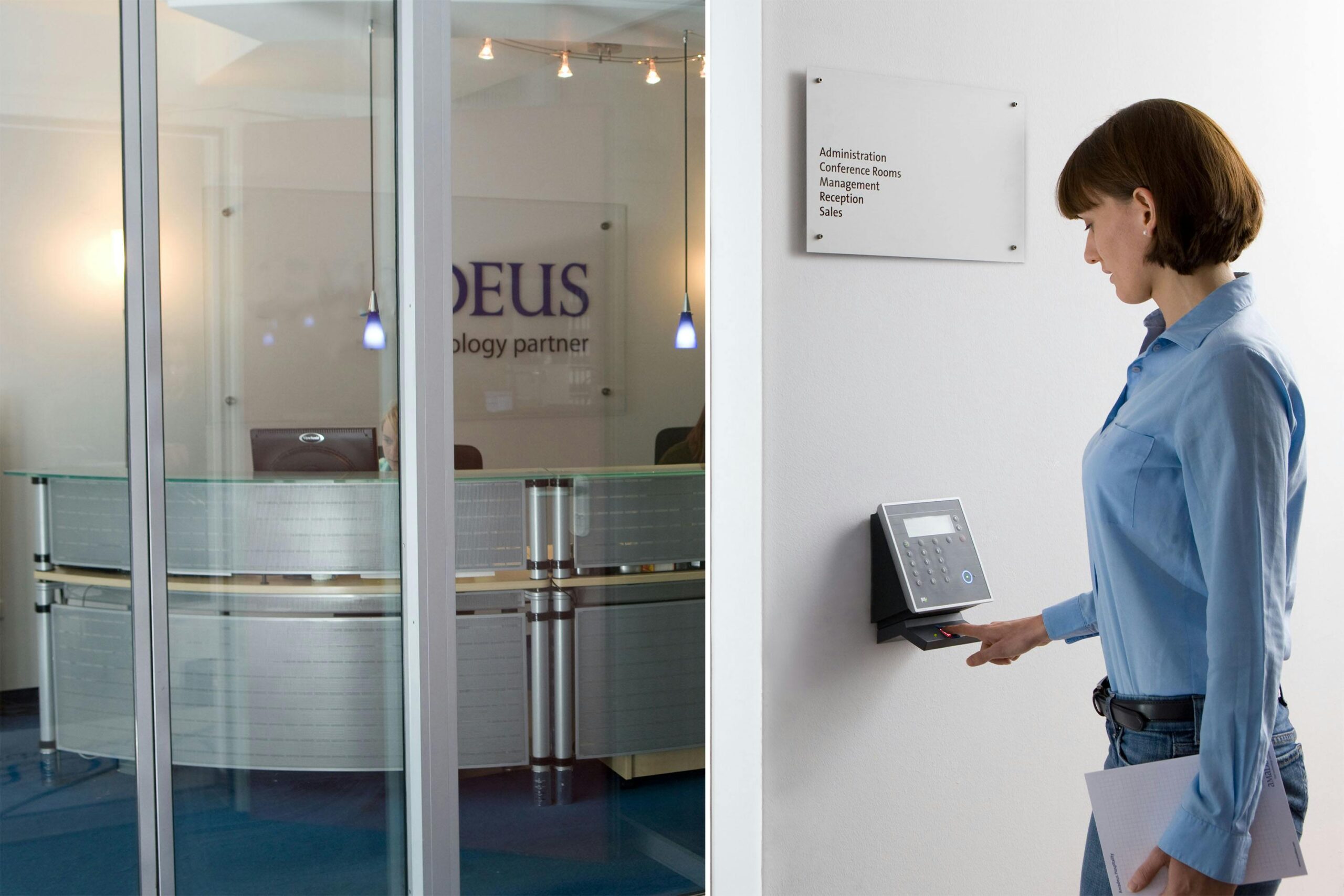

In an era of rampant cyberattacks and data breaches, relying on passwords alone for security is no longer a viable option. Multi-Factor Authentication (MFA) has emerged as an essential security practice, providing a critical layer of defense against unauthorized access. By requiring users to provide two or more verification factors, MFA significantly strengthens the authentication process and protects your organization’s sensitive data.
Section 1: What is Multi-Factor Authentication (MFA)?
MFA is an authentication method that requires a user to provide at least two different types of evidence, or “factors,” to prove their identity. These factors are typically categorized into three types:
- Knowledge: Something you know, such as a password or PIN.
- Possession: Something you have, such as a smartphone, hardware token, or smart card.
- Inherence: Something you are, such as a fingerprint, facial scan, or other biometric data.
By combining two or more of these factors, MFA makes it significantly more difficult for an unauthorized user to gain access to an account, even if they have stolen a user’s password. [1]
Section 2: Why is MFA a Must-Have for Your Organization?
The benefits of implementing MFA are clear and substantial:
- Dramatically Reduced Risk of Unauthorized Access: Microsoft reports that MFA can block 99.9% of account compromise attacks. [2] This single security measure can be the difference between a secure network and a catastrophic data breach.
- Protection Against Common Cyberattacks: MFA is highly effective at preventing a wide range of cyberattacks, including phishing, credential stuffing, and brute-force attacks. [3]
- Enhanced Security for Remote Work: With the rise of remote work, MFA is more critical than ever. It provides a robust way to secure access to corporate resources from any location, on any device.
Section 3: Implementing MFA Effectively
While MFA is a powerful tool, it’s important to implement it in a way that is both secure and user-friendly. Here are some best practices to consider:
- Choose the Right Authentication Factors: The combination of factors you choose will depend on your organization’s security needs and user base. For most organizations, a combination of a password and a mobile authenticator app is a good starting point.
- Consider Adaptive MFA: Adaptive MFA, also known as risk-based authentication, dynamically adjusts the level of authentication required based on the risk of the access request. For example, a user logging in from a new location or device might be prompted for an additional factor, while a user logging in from a trusted location might not. [4]
- Educate Your Users: User education is key to a successful MFA rollout. Ensure that your users understand why MFA is important and how to use it correctly.
Conclusion
Multi-Factor Authentication is no longer a nice-to-have; it’s a fundamental component of modern cybersecurity. By implementing a robust MFA solution, you can significantly reduce your organization’s risk of a data breach and protect your most valuable assets. Identity Center provides a comprehensive MFA solution that is both secure and user-friendly, enabling you to implement adaptive, risk-based authentication across your entire organization.